| Category |
Parameter |
Value |
Unit |
| Laser |
Wavelength | 555.8 | nm |
| Laser linewidth | <10 kHz | kHz |
| Operation mode | CW | / |
| Thermal tuning range of seed | 0.7 | nm |
| Max output power | 2 | W |
| Input seed power | 5 - 20 | mW |
| Output 1/e2 beam diameter | 1-2 | mm |
| Beam quality (M2) | <1.1 | / |
| Relative intensity noise (RIN) | <-130 >10 kHz | dBc/Hz |
| Fiber length to chassis | 2 | m |
| Polarization direction | Vertical | / |
| Polarization extinction ratio (PER) | >20 | dB |
| Optical signal-to-noise ratio (OSNR) | >45 | dB |
| Electrical / Cooling |
Warm-up time | 20 | min |
| Max power consumption | 200 | W |
| AC power supply voltage | 110 | V |
| Fuse | 6.3A, 250VAC, 5X20mm | / |
| Remote interlock voltage | 3.3 | V |
| Cooling | Chilled water | / |
| Suggested chiller temperature | 20 | °C |
| Chilled water flow rate | >=0.65 | GPM |
| Environmental |
Room humidity | 30 – 60 | % |
| Room temperature | 17 – 25 | °C |
| Weight | 25 (55) | Kg (lbs) |

QTekLaserTM lasers comply with Federal Regulations (21 CFR Subchapter J, Part 1040) as administered by the Center for Devices and Radiological Health and are certified to IEC 60825-1:2014 standards.
It is the end user's responsibility to ensure that no significant light is retroreflected back into QTekLaserTM systems as this can degrade performance and potentially damage the lasers. To prevent this, the use of an external optical isolator is strongly recommended. Damage due to retroreflected light is not covered under warranty.
Ordering Information
Part Number: QT-LASR-Yb-SHG-556-2-W-2-2.0-2
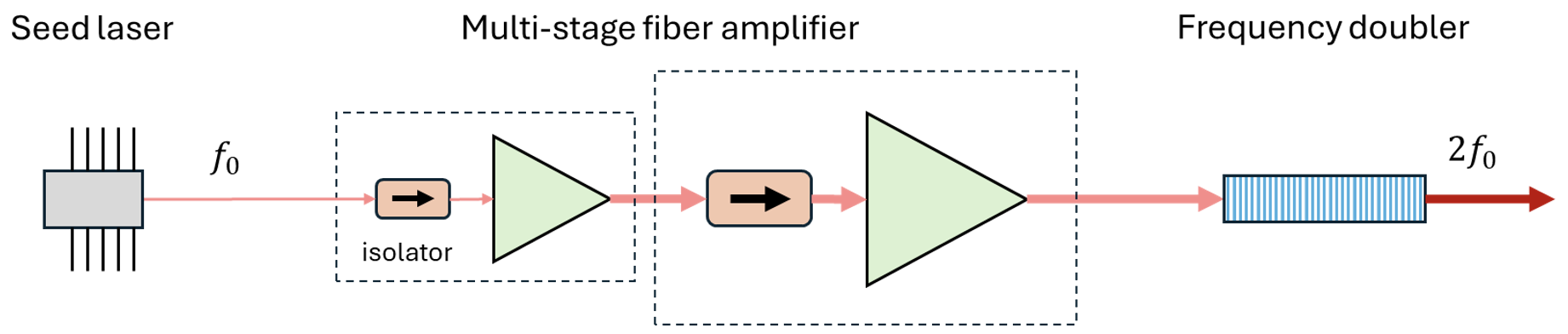
Laser Type: Seed laser + Yb-doped fiber amp + SHG
Product Selection GuidePerformance
Beam Quality
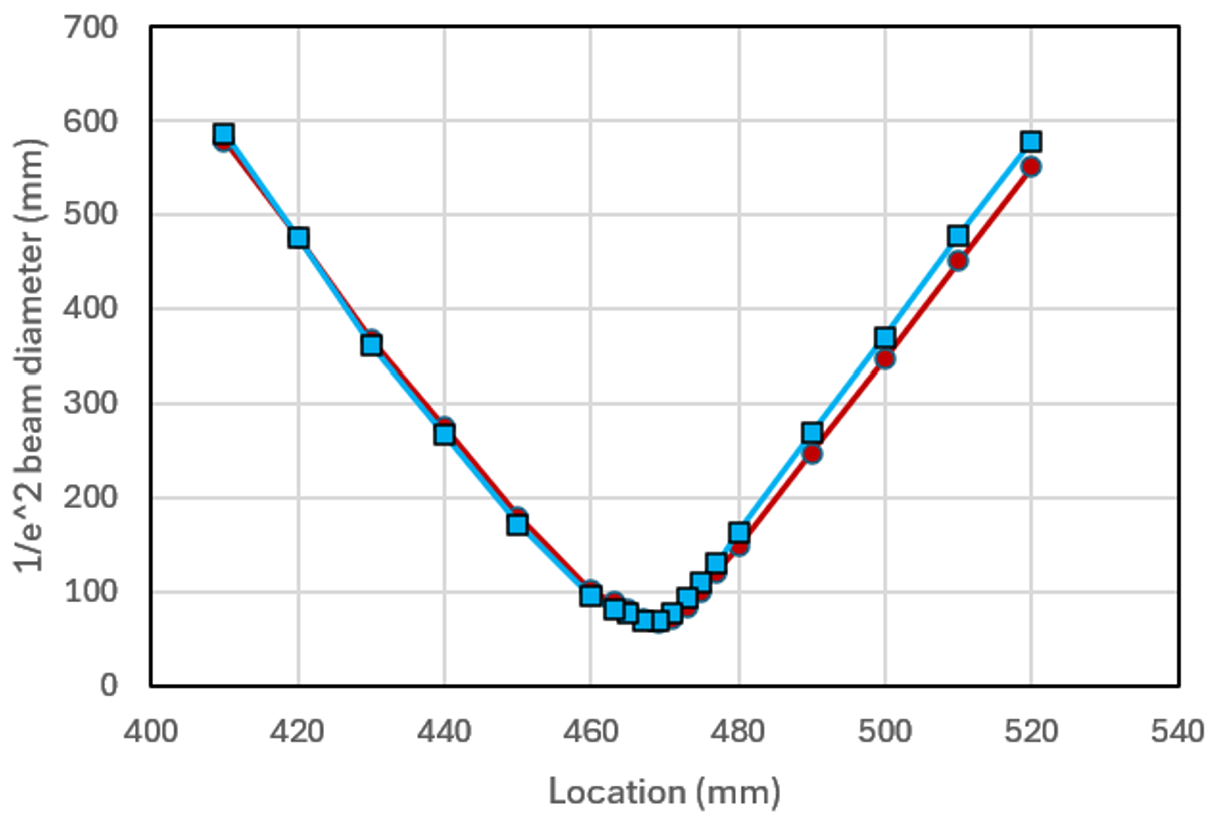
Figure 3. Beam Quality: 556 nm M2 <1.1. M² is fitted to 0.97±0.04 along horizontal direction and 0.96±0.05 along vertical direction.
Beam Profile
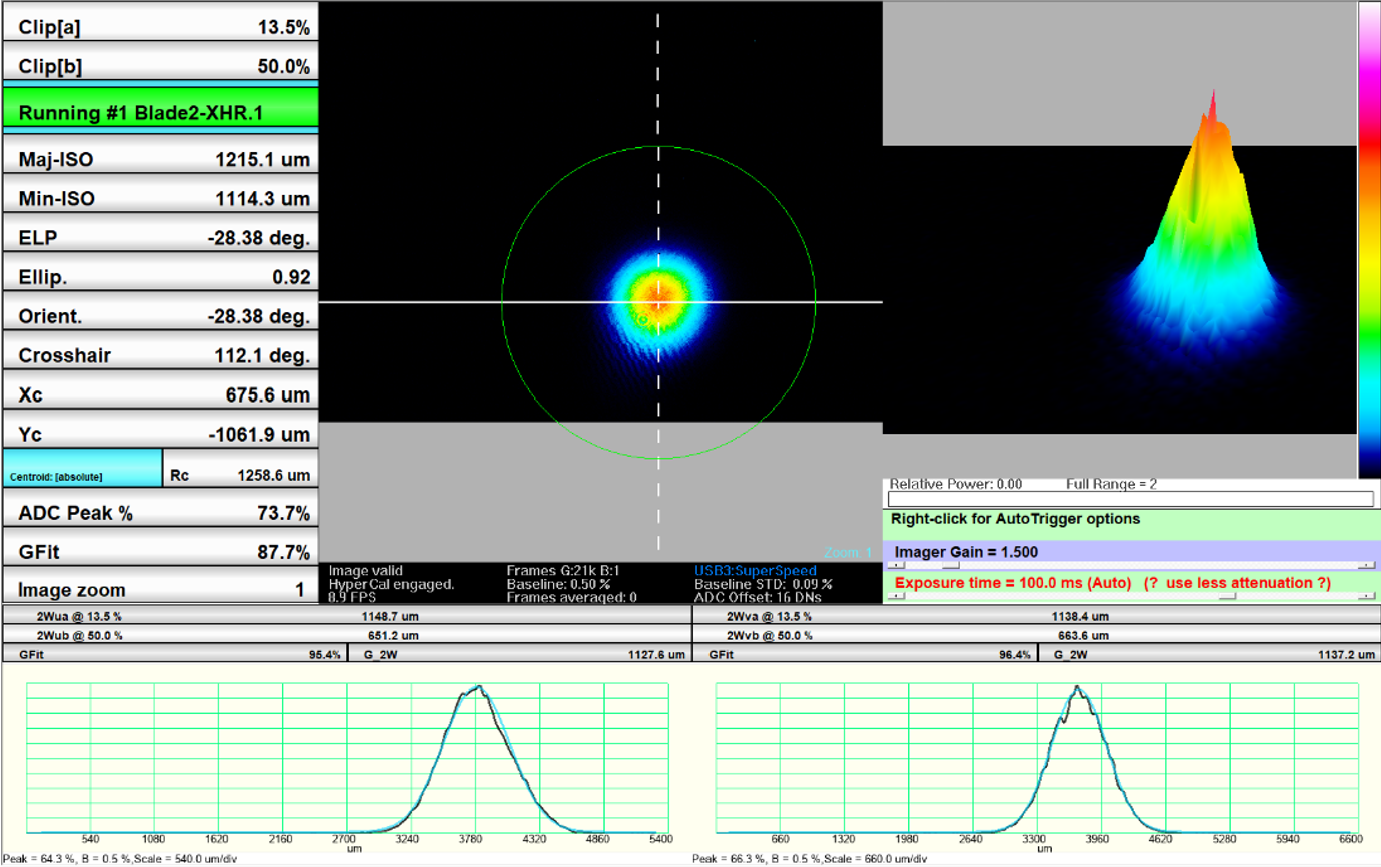
Figure 4. Beam Profile 556 nm. 1/e² beam diameter of 1.1 mm horizontally and 1.1 mm vertically.
Laser Power vs. Current
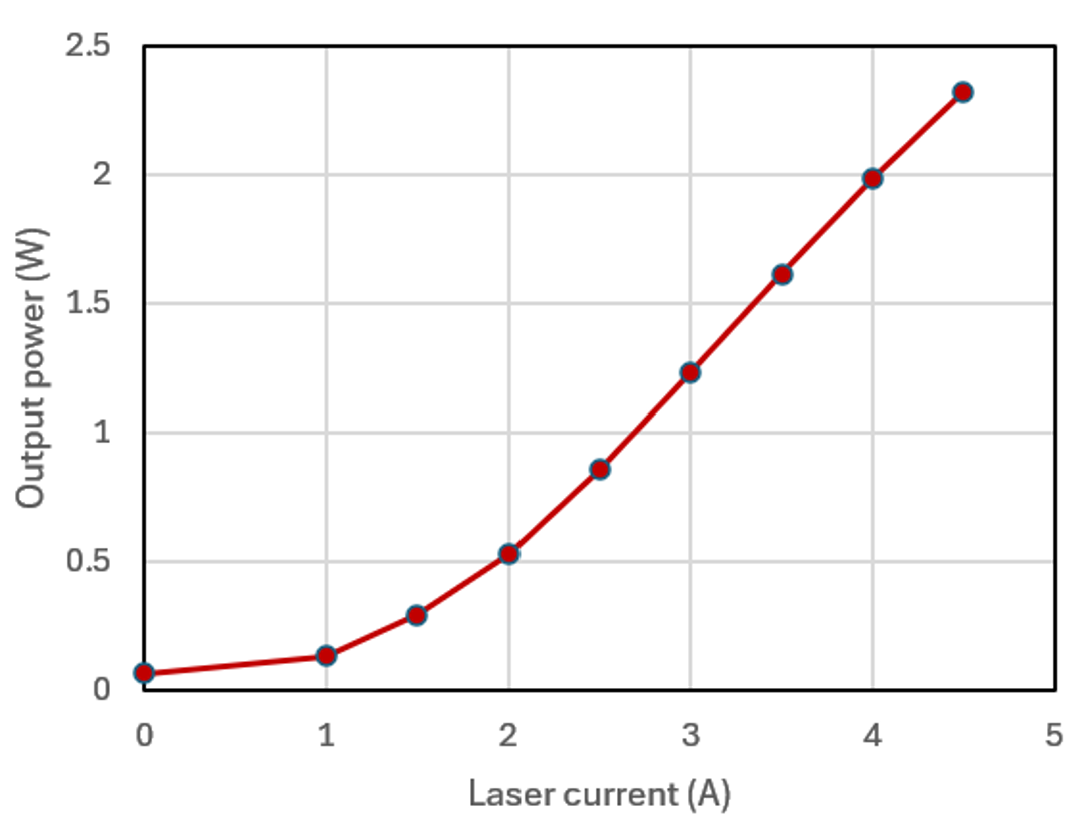
Figure 5. Laser Power vs. Current: 556 nm
Relative Intensity Noise (RIN)
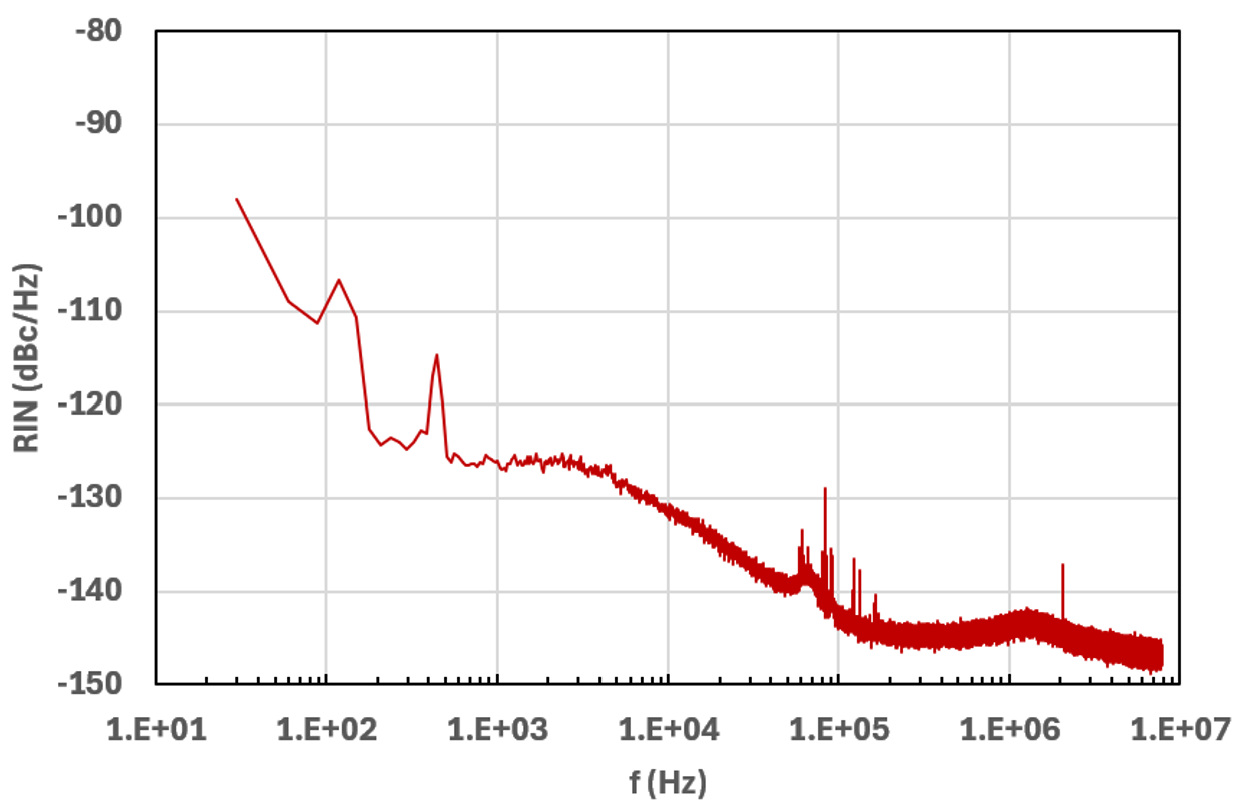
Figure 6. Relative Intensity Noise (RIN): 556 nm <-130 dBc/Hz >10 kHz.
Quantum Applications
At 556 nm, the QTekLaser™ system targets the ¹S₀ → ³P₁ inter combination transition of neutral ytterbium, the narrow "green" line of second-stage laser cooling. Its kHz linewidth and excellent power stability make it ideal for narrow-line magneto-optical trapping (MOT), cooling ytterbium atoms to the low-microkelvin temperatures needed to load high-fidelity optical tweezer arrays and optical lattices. These ultracold, tightly confined atoms are the foundation of neutral-atom quantum computing, quantum simulation, and state-of-the-art optical atomic clocks, where the 556 nm transition also supports precision spectroscopy and clock-state preparation. With its all-fiber architecture and IoT-enabled control, the 556 nm laser delivers the stability and reliability these demanding quantum experiments require.
Mechanical Dimensions
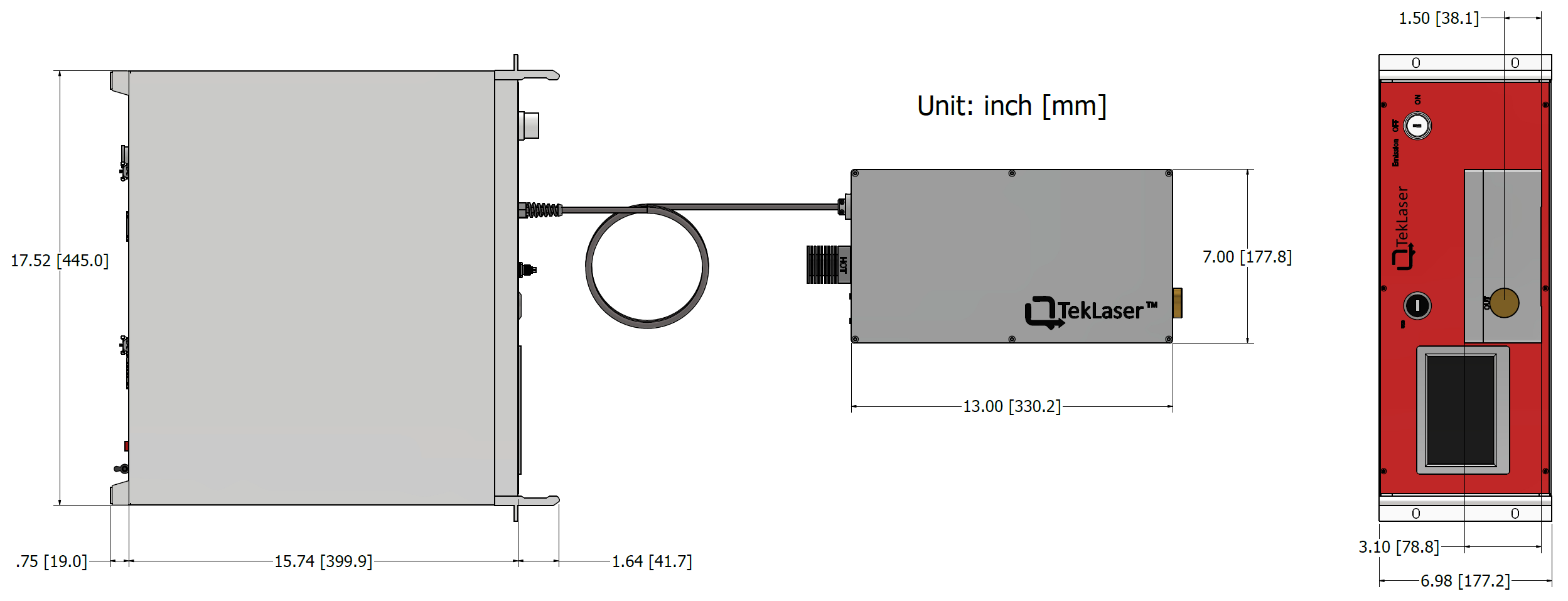
Figure 7. 556 nm fiber laser mechanical dimensions.
Product Photos
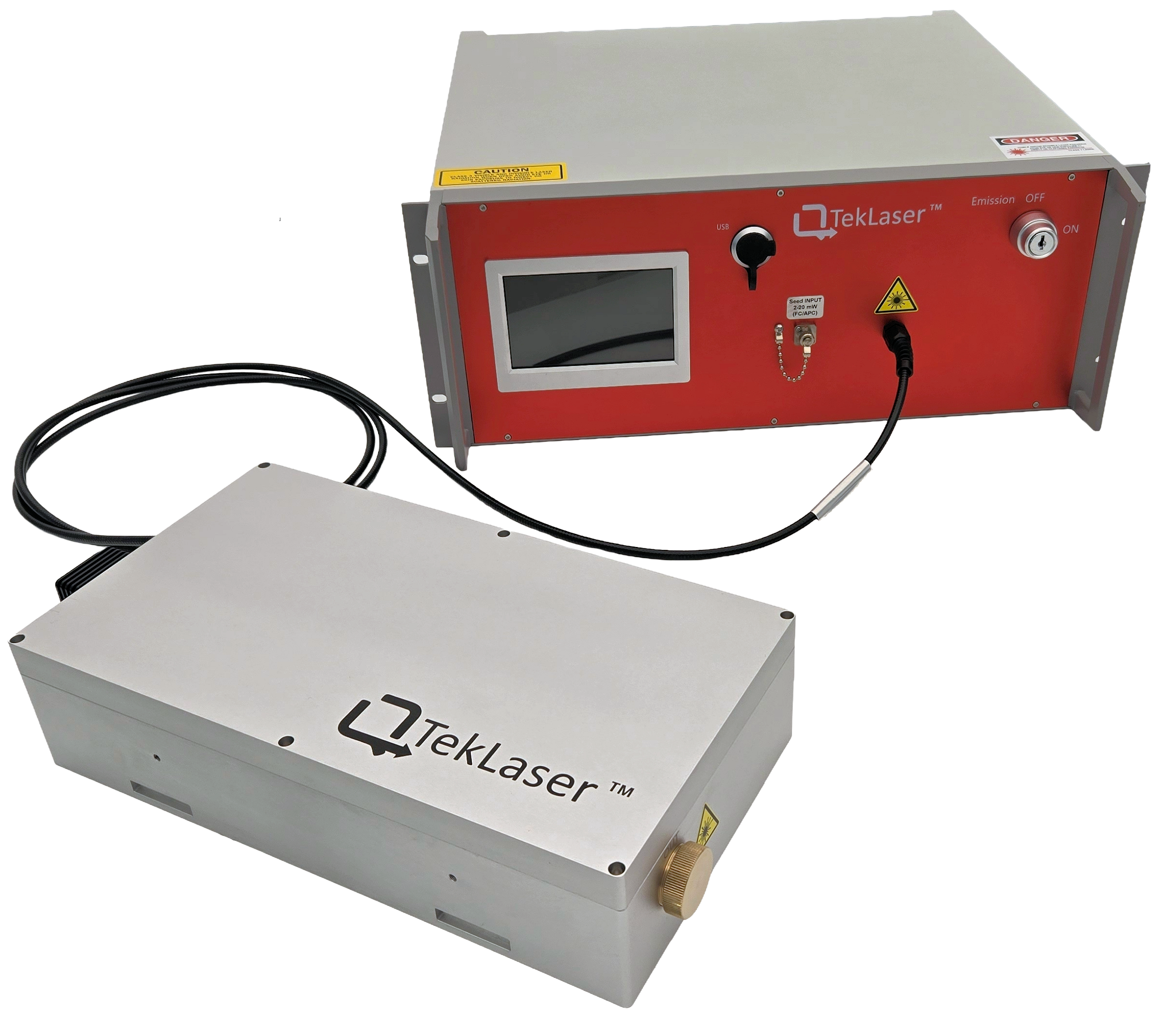
Figure 8. 556 nm fiber laser, 4U chassis water cooled.

Figure 9. 556 nm fiber laser, 4U chassis back panel water cooled